
TL;DR
- AI is opening new possibilities for Islamic research — faster cross-referencing of classical texts, translation support, and structured analysis of large bodies of scholarship.
- These tools assist research; they don’t replace scholarly authority (ijtihad) or qualified human verification of religious rulings.
- The right use: speeding up the mechanical parts of research (searching, cross-referencing, summarizing) while scholars retain final judgment.
Artificial Intelligence has significantly improved access to information and simplified complex research processes. Tasks that once required hours or even days, such as reviewing sources, summarizing academic papers, or translating texts, can now be completed in minutes.
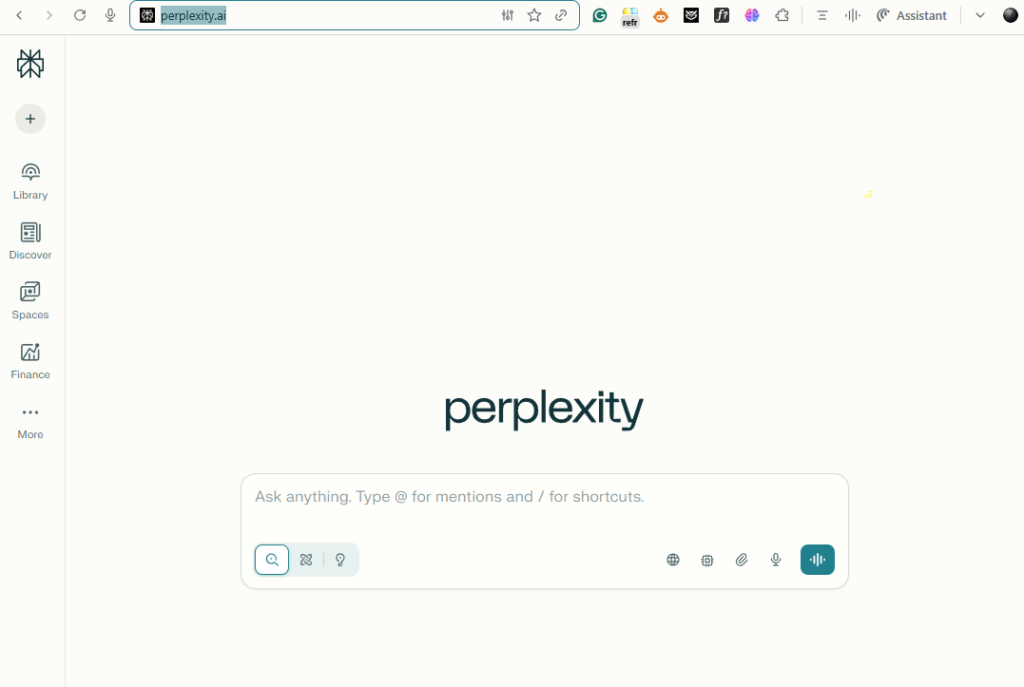
Modern AI tools like ChatGPT, Gemini, Claude, Perplexity, Comet, and NotebookLM assist researchers by organizing data, generating summaries, and offering multilingual support. For scholars of Islamic studies, these tools can serve as research assistants, helping streamline preliminary work and enhance productivity.
However, AI should always remain a supporting tool, not a replacement for scholarly judgment.
Digital Da‘wah and Visual Knowledge Sharing
In today’s digital age, text alone is no longer sufficient. Visual and multimedia content play a crucial role in communication and education. Academic articles, religious lectures, and research findings gain greater impact when presented through videos, infographics, slides, and visual summaries.
By using AI-powered image generation tools and NotebookLM, Islamic educators can present Qur’anic concepts, Hadith explanations, and scholarly insights in a structured, engaging, and modern format, especially for younger audiences accustomed to digital media.
Ethical Responsibility and Scholarly Verification
Despite its many benefits, AI carries serious responsibilities. It is essential to remember that technology is a means, not an authority. AI systems do not possess religious accountability, spiritual insight, or scholarly consensus.
Any information generated through AI must be verified through authentic Islamic sources, including:
- The Qur’an
- Authentic Hadith collections
- Classical and contemporary scholarly works
Maintaining this verification process ensures that AI remains aligned with Islamic ethical principles and prevents misinformation or misinterpretation.
Integrating Classical Scholarship with Modern Technology
The objective is not to abandon traditional Islamic scholarship, but to enhance it through modern tools. When a researcher combines deep Islamic knowledge with technological literacy, the quality, reach, and relevance of their work increase significantly.
This integration allows Islamic teachings to be communicated effectively within contemporary contexts, whether through academic research, public education, or global digital platforms.
Should Scholars Fear Artificial Intelligence?
Rather than fearing or rejecting AI, scholars and students of Islamic sciences should understand and learn how to use it wisely. With proper ethical boundaries and scholarly oversight, AI can become a valuable ally in:
- Research assistance
- Knowledge organization
- Educational content creation
- Global da‘wah efforts
Used responsibly, Artificial Intelligence can play a positive role in preserving, explaining, and spreading Islamic knowledge in the modern world.
Final Thoughts
Artificial Intelligence is not a threat to Islamic scholarship; it is a tool. When guided by authentic knowledge, ethical awareness, and scholarly responsibility, AI can support the mission of Islamic education and da‘wah in unprecedented ways.
The future belongs to those who can bridge tradition with innovation, and Islamic sciences are well-positioned to lead that balance.
Written by:
✍️ Abrar Shafiq
https://whatsapp.com/channel/0029VbBgCi6ATRStP1E82R3u
Frequently Asked Questions
Can AI be trusted for religious rulings (fatwa)?
No. AI tools can help locate and organize source material faster, but religious rulings require qualified human scholarship and should never be taken directly from an AI tool without verification by a qualified scholar.
What is a good AI tool specifically for Islamic research?
See our dedicated guide on Usul AI, a research assistant built specifically for Islamic scholarship.
Can general AI tools like Claude help with Islamic studies?
Yes, for general research support, summarization, and language assistance — but always verify religious content against qualified scholarly sources rather than relying on general-purpose AI alone.